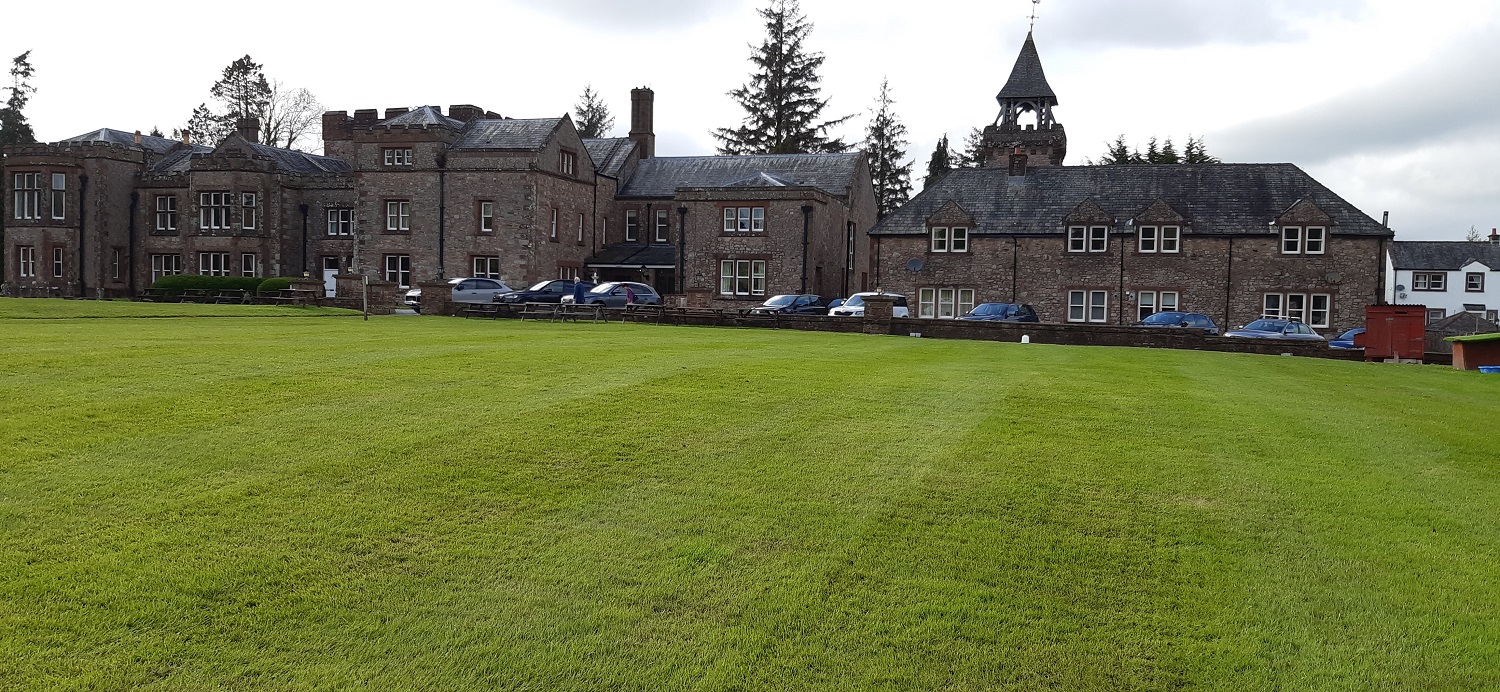
For our week in the Lake District we had managed to secure a little terraced cottage in the grounds of Irton Hall, the important thing about this cottage was its location on the edge of Wasdale. When we weren’t enjoying the delights of walking the fells of Wasdale, we also had one day of heavy rain so we had a bimble around a couple of nearby villages. A day off after a monster walk up Scafell, where we headed into Eskdale and the Hard Knott Fort. Plus our last day where we drove in and around the Lakes, stopping off to see the Rannerdale Bluebells plus having some food in Kendal before we left on the long drive to Devon. I’ve managed to collate all these things into one post, which turns out is quite a substantial post as I’ve added in some photos to show off the grounds of Irton Hall, which are lovely.
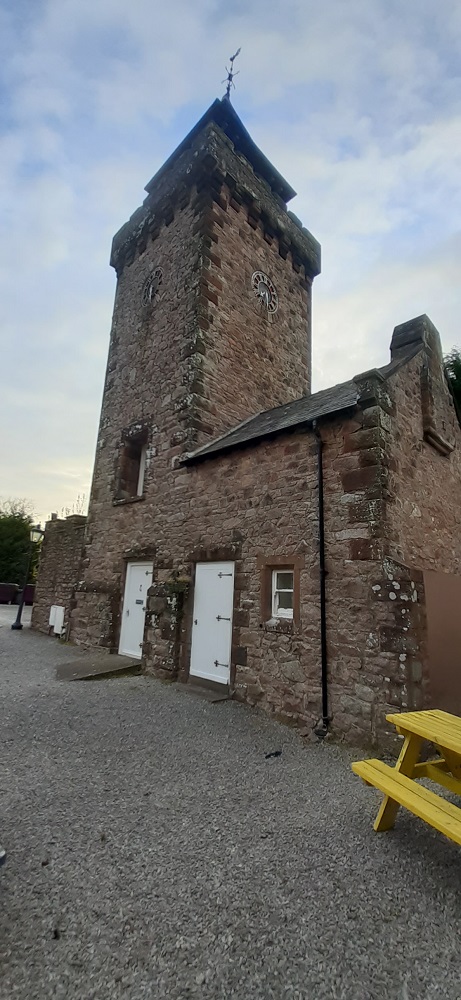
Irton Hall, there’s a restaurant and pub in there which we did visit on one eveningThe side of Irton Hall and the clock tower. The hall had been lived in by the Irton’s since the 11th century all the way to 1866. Important visitors such as Oliver Cromwell and King Henry 6th have stayed here, although Henry was a Lancastrian so wasn’t allowed in the house and had to sleep under the oak tree in the grounds (named King’s Oak!)
Irton Hall clock tower
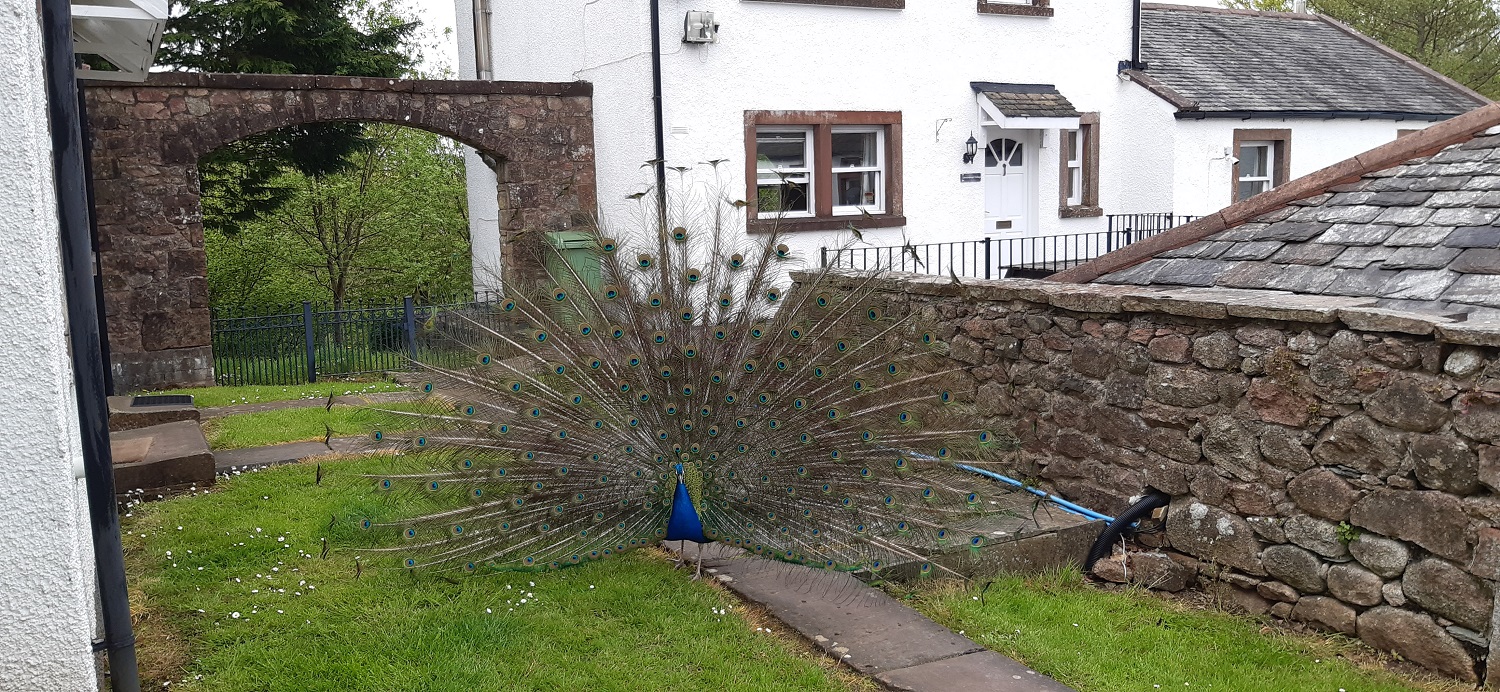
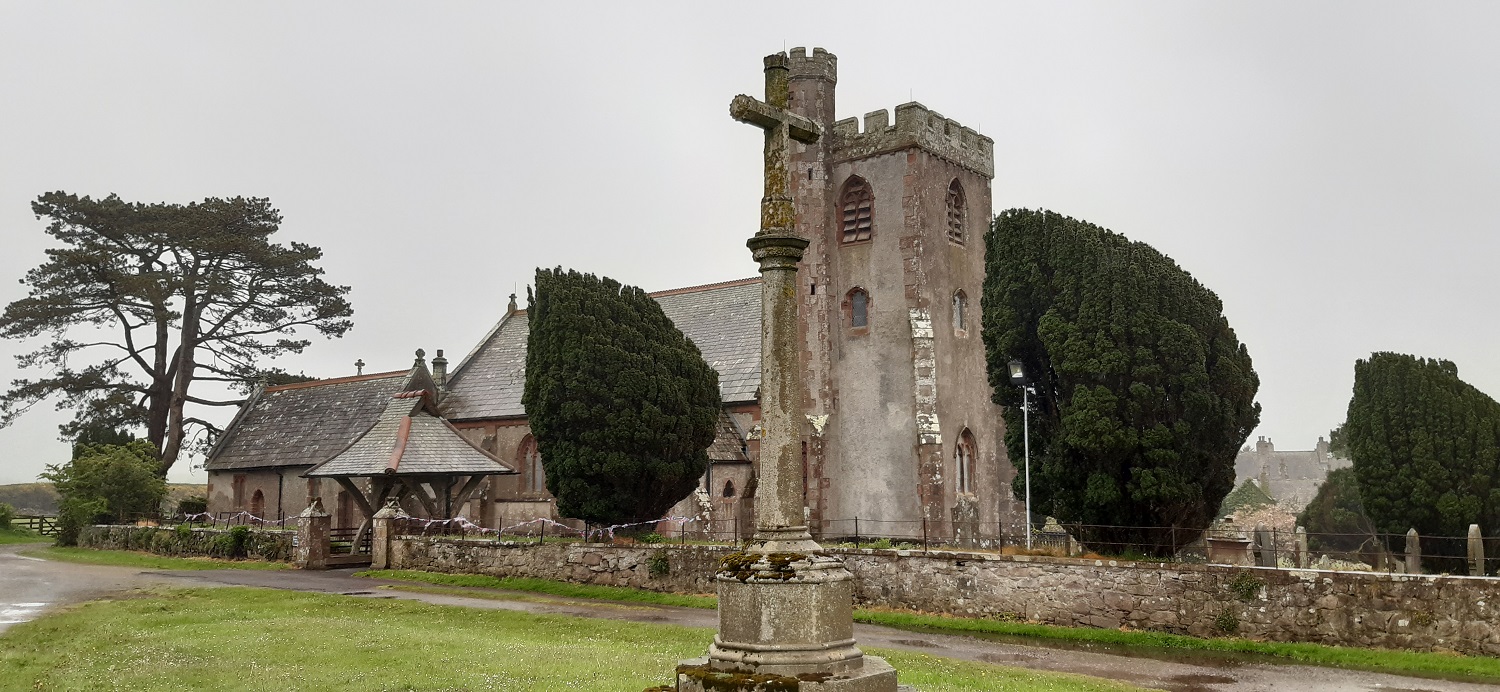
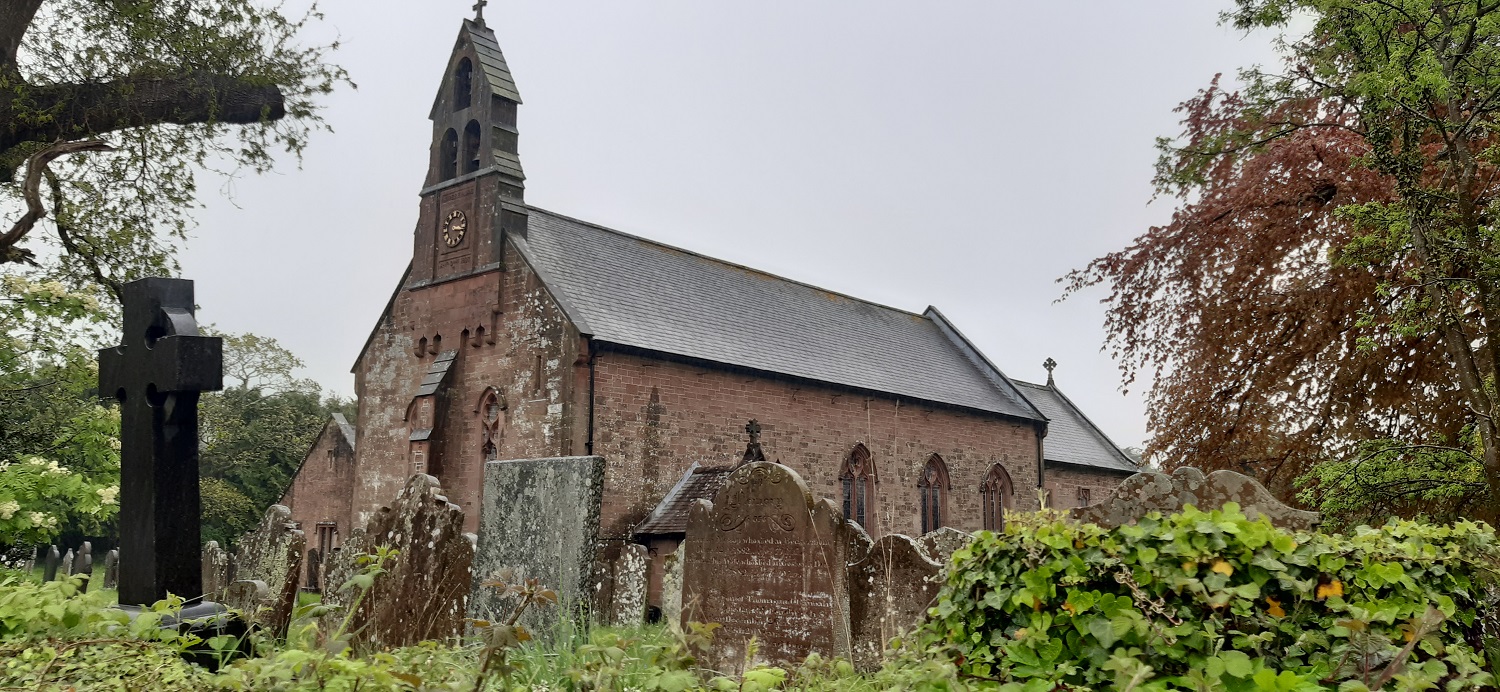
There are lots of peacocks in the grounds and they are pretty noisy most of the timeWe stayed in one of the houses on the left, perfect for what we neededThis is Irton Church (St Paul’s), we visited on the day with lots of rain. it was built in 1227
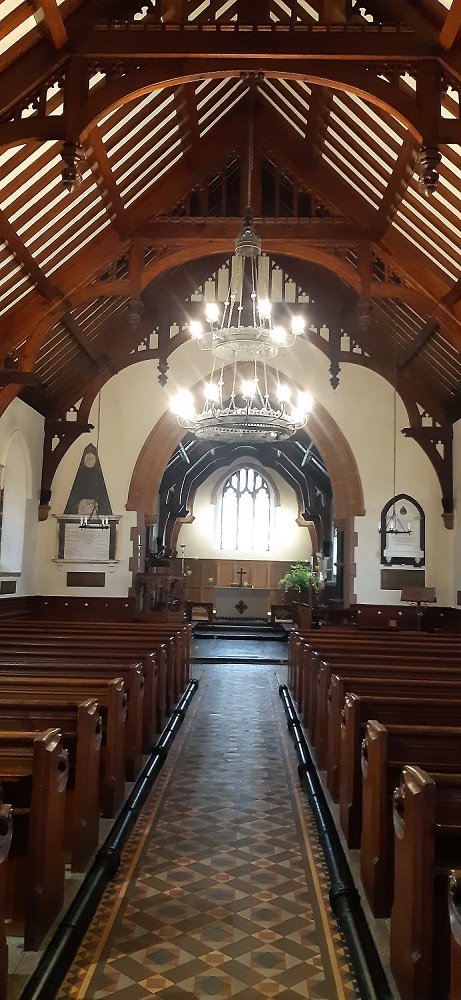
Inside Irton Church
This cross was erected in the 9th century and is a fine Saxon cross in the churchyard. it stands around 10 feet high
Not too far from Irton Church is Gosforth, another lovely church stands here, the history in this church needs to be seen.
First up is the Norse cross in the churchyard and is 14 feet high, the tallest in England and second in importance in this country. There is also Europe’s most northerly cork tree in the yard, which started growing in 1833
These are 10th century ‘hogback’ tombstones covering the graves of the Norse Chieftains and are shaped as houses of the dead and carved with battle scenes. They are astonishing to look at. Behind the tombstones is the Chinese bell on the window sill.
Inside the church, there is also a fishermans stone on the left of this photo. Well worth a visit to this church to have a look around. The hogback alone is superb as there are few examples of these left.
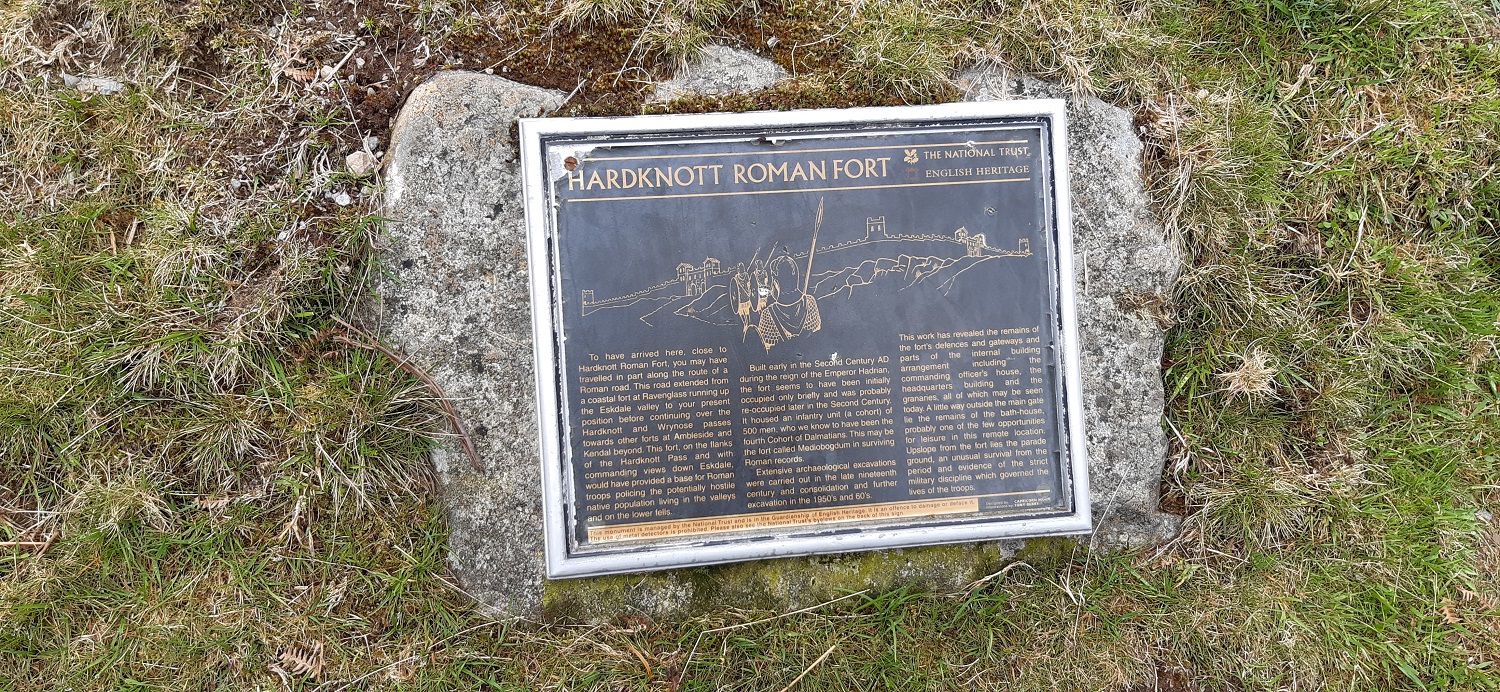
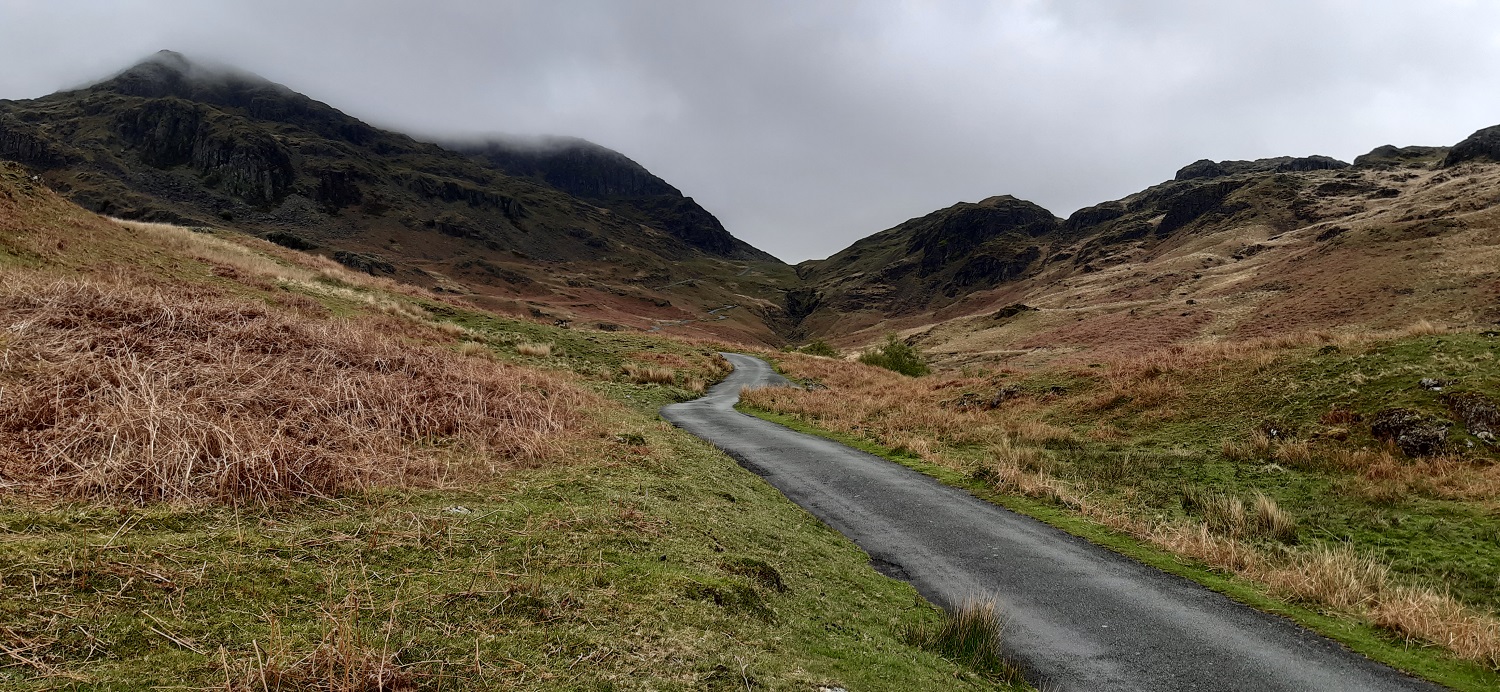
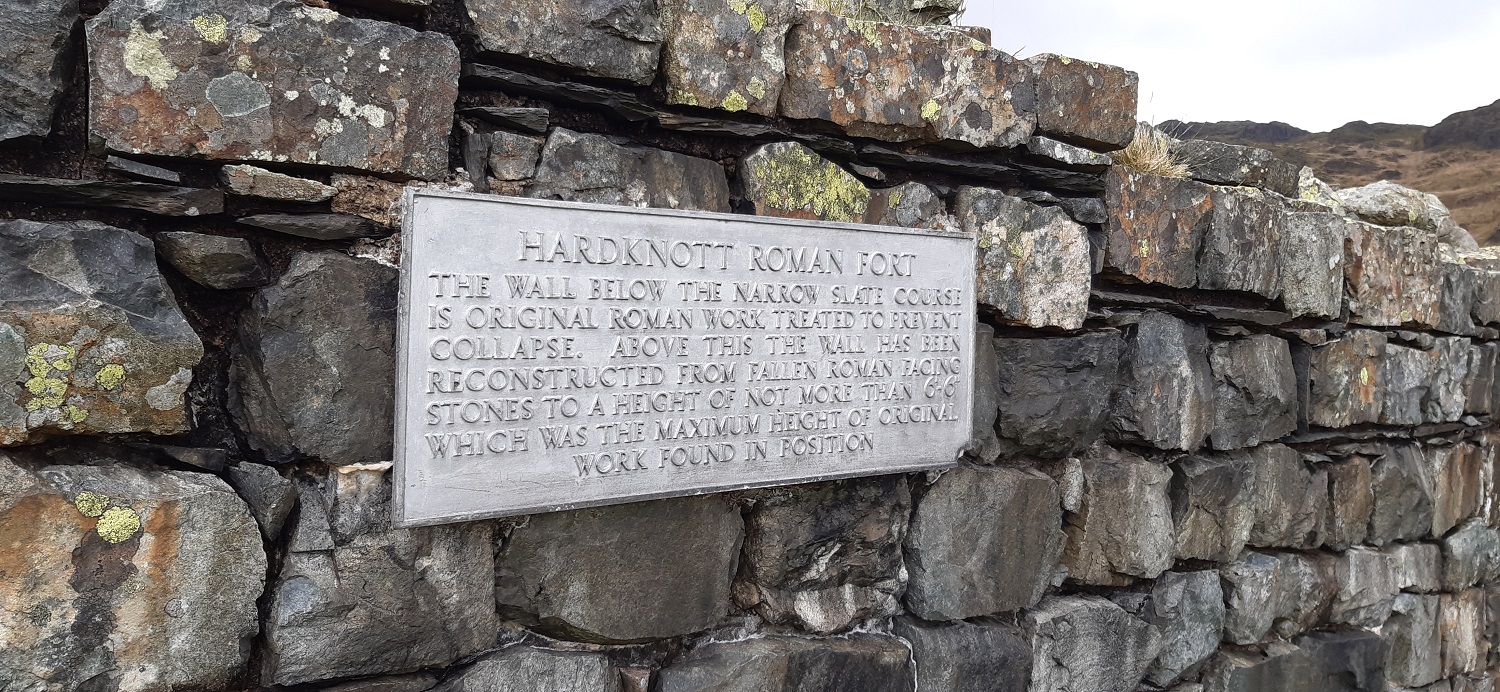
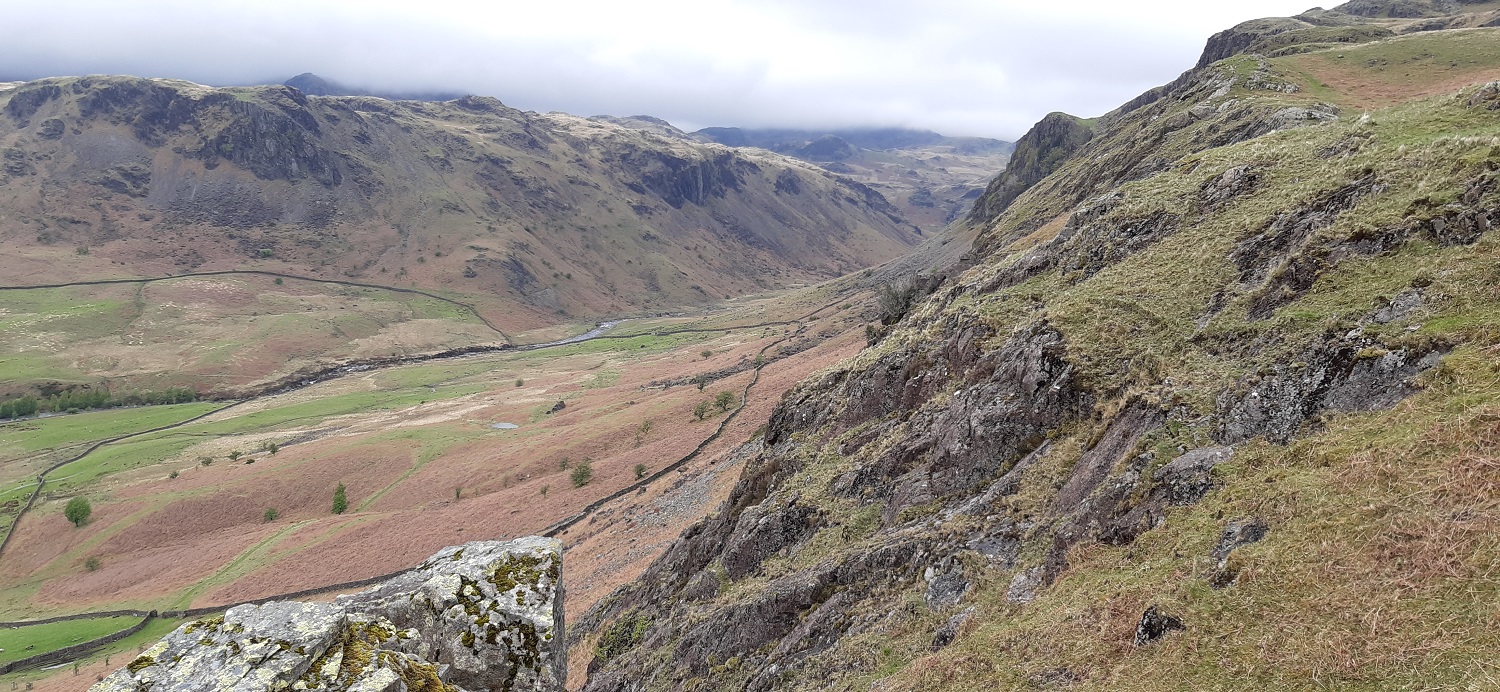
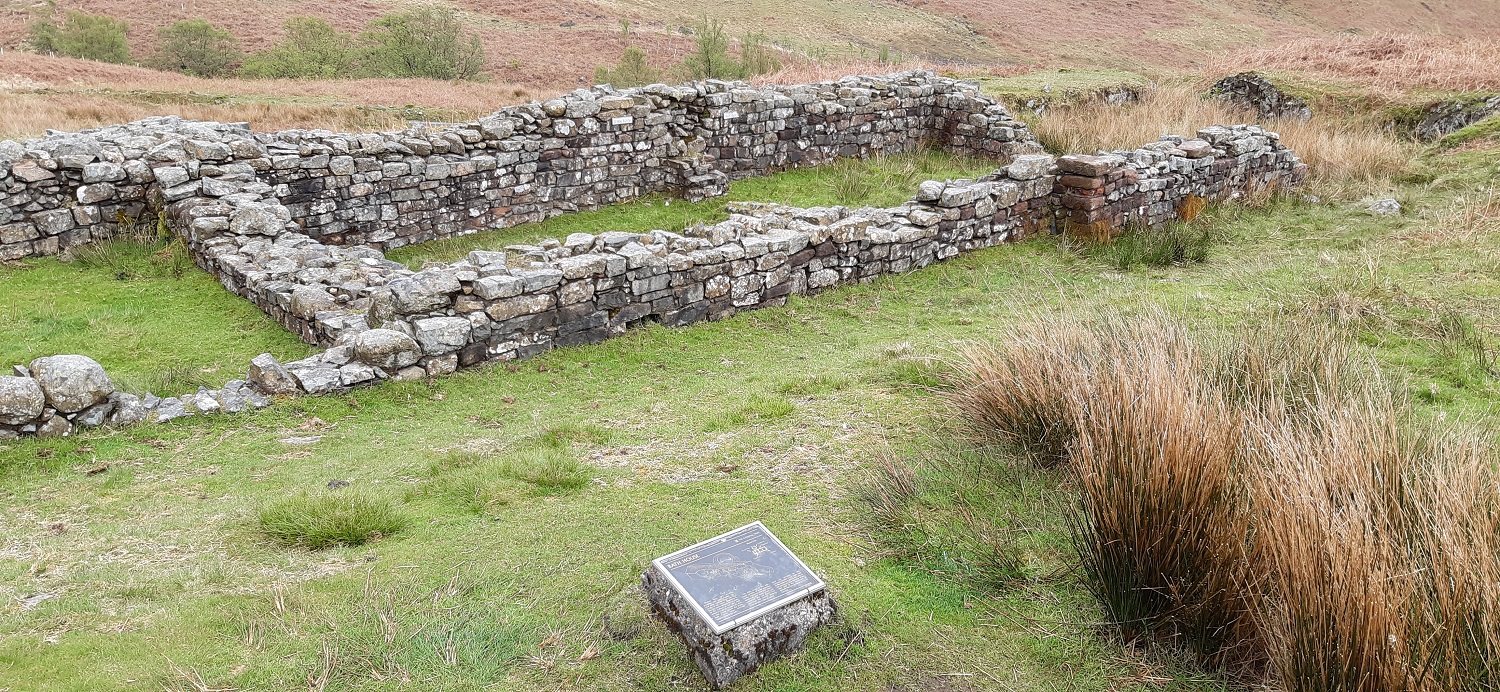
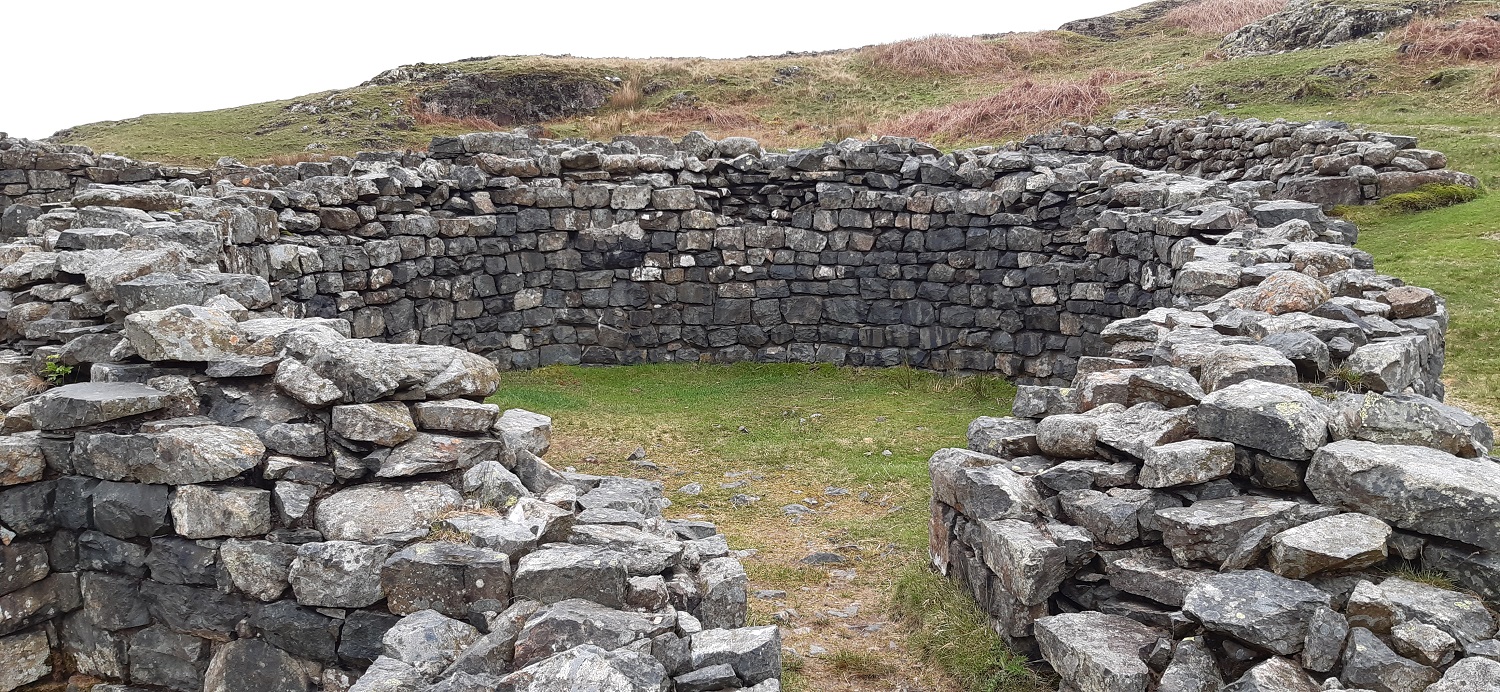
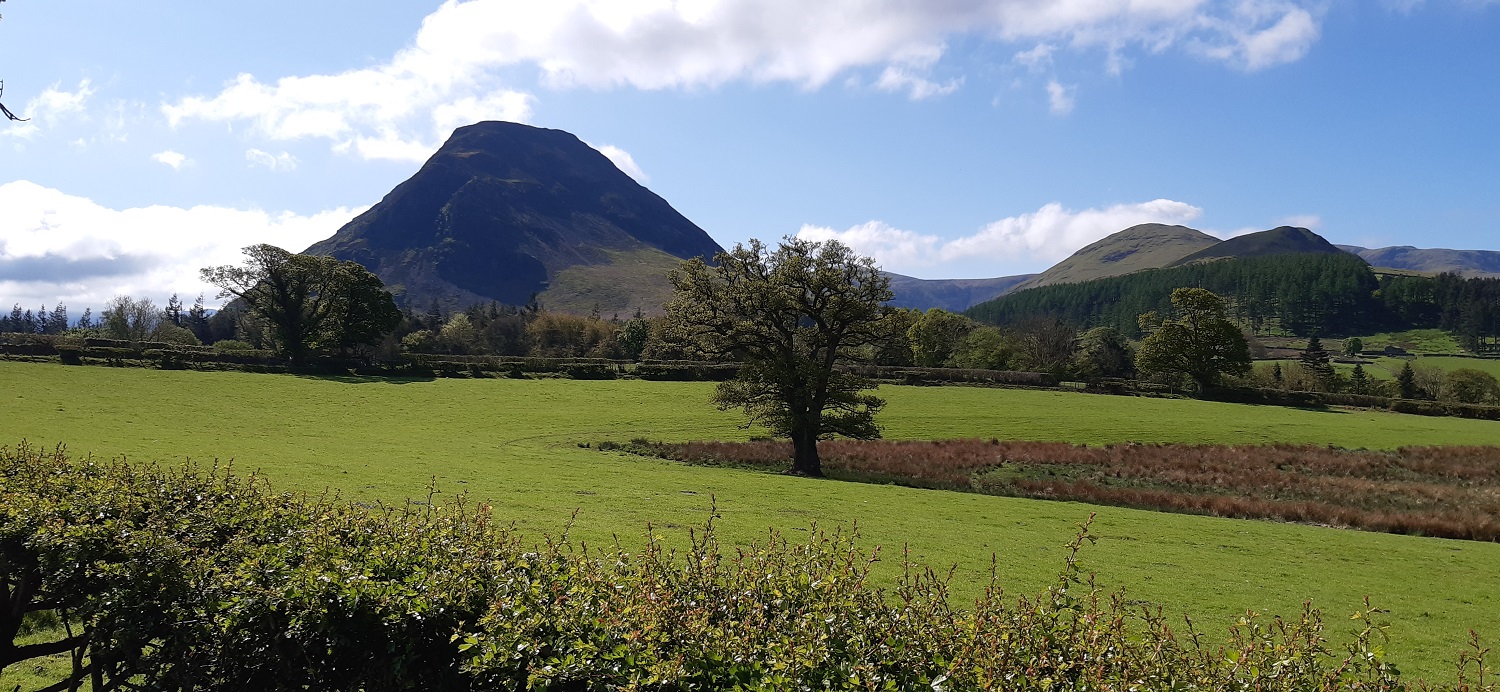
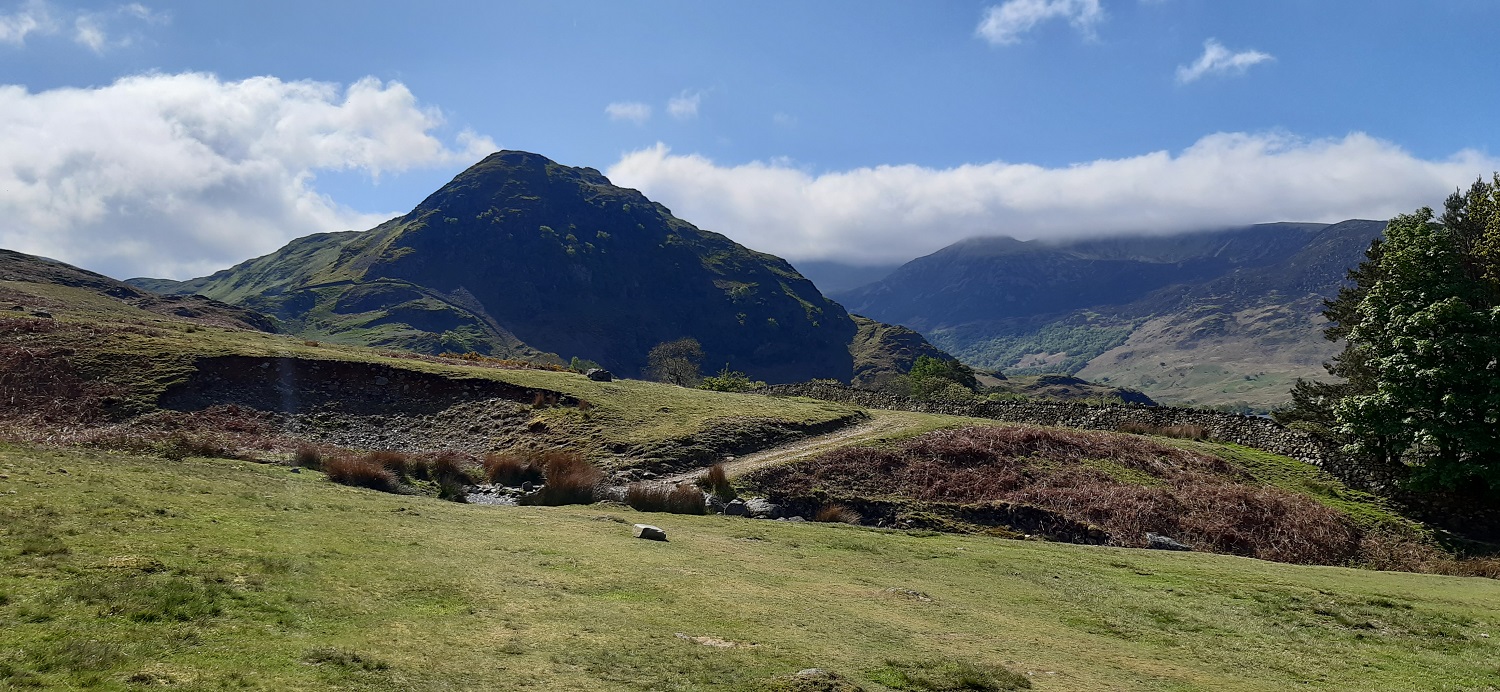
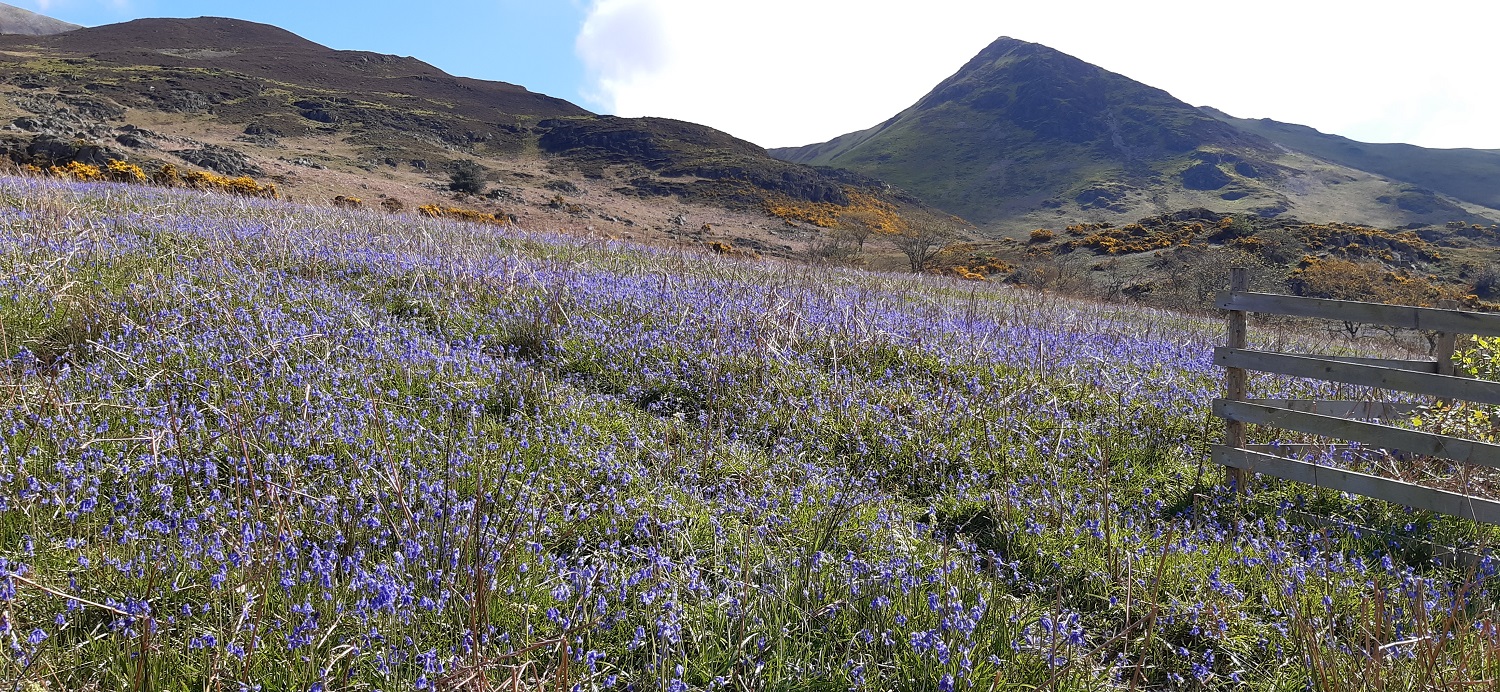
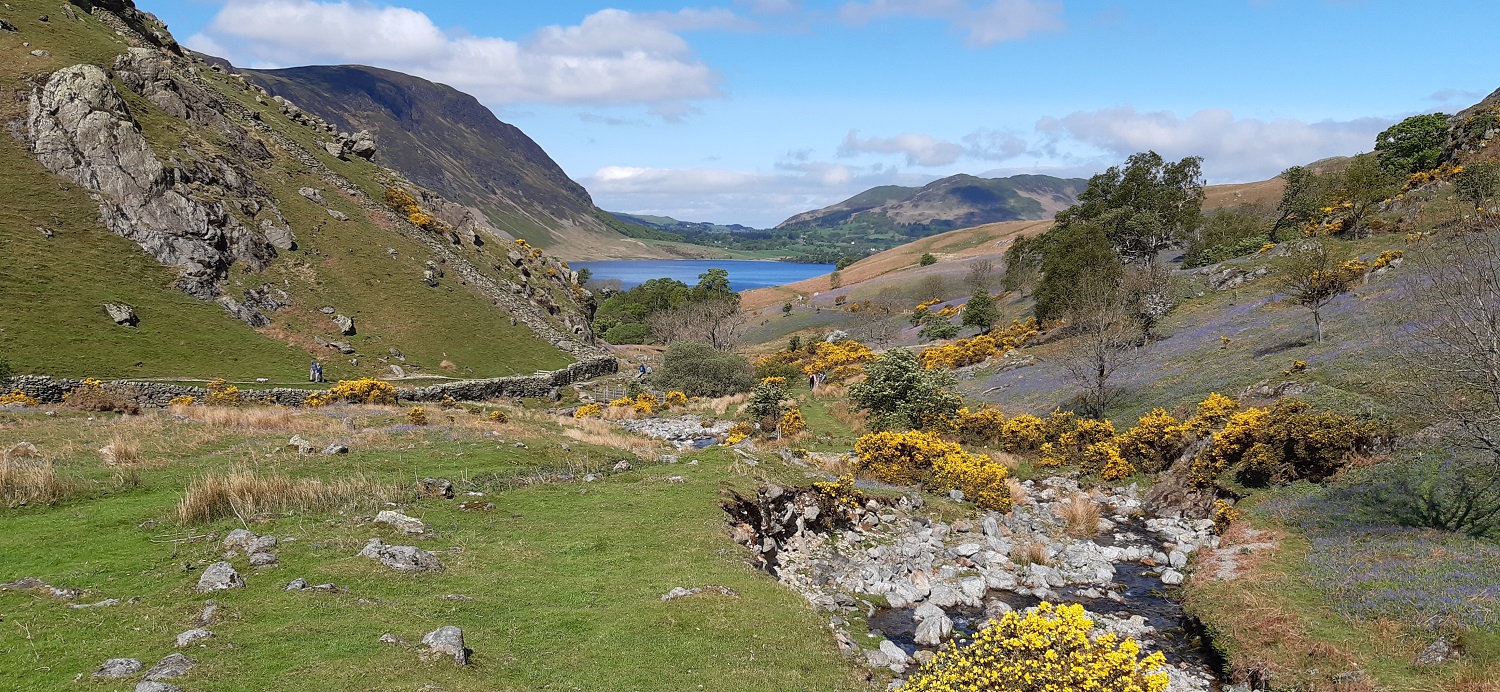
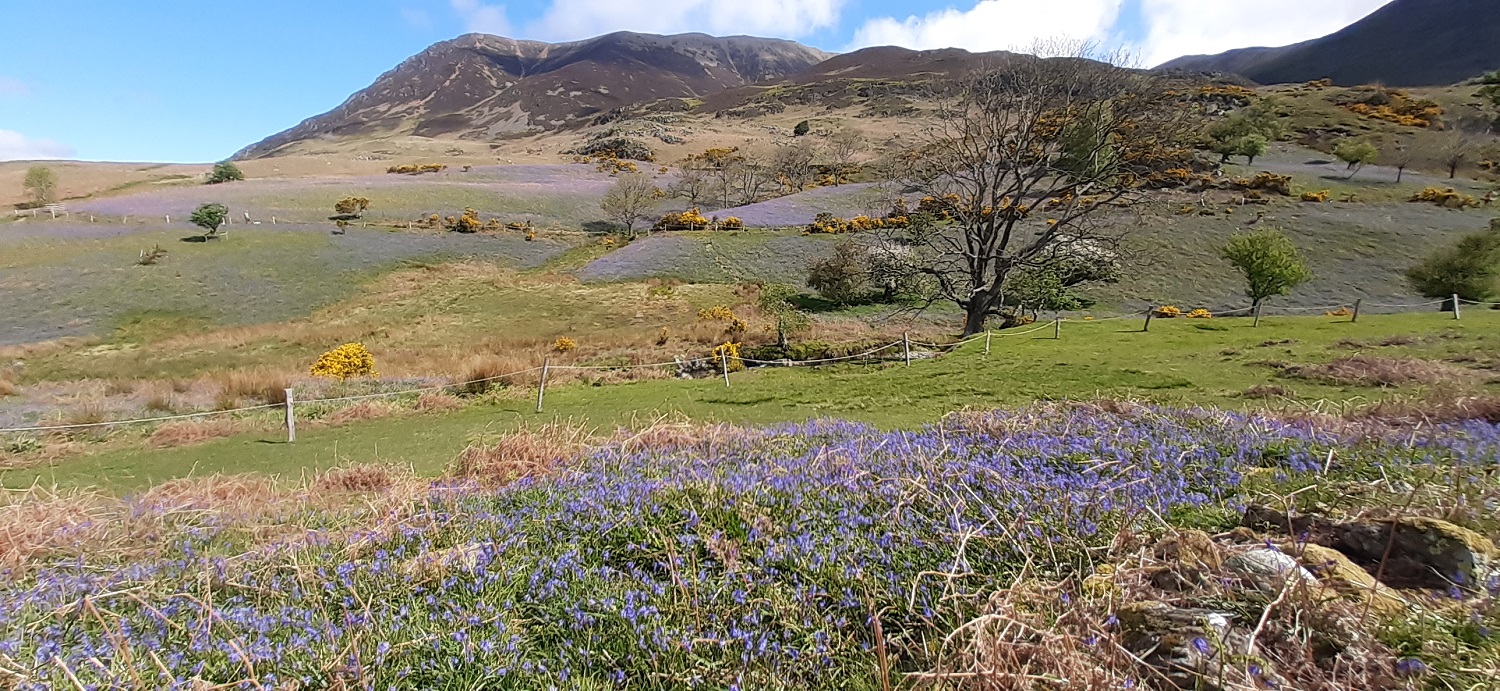
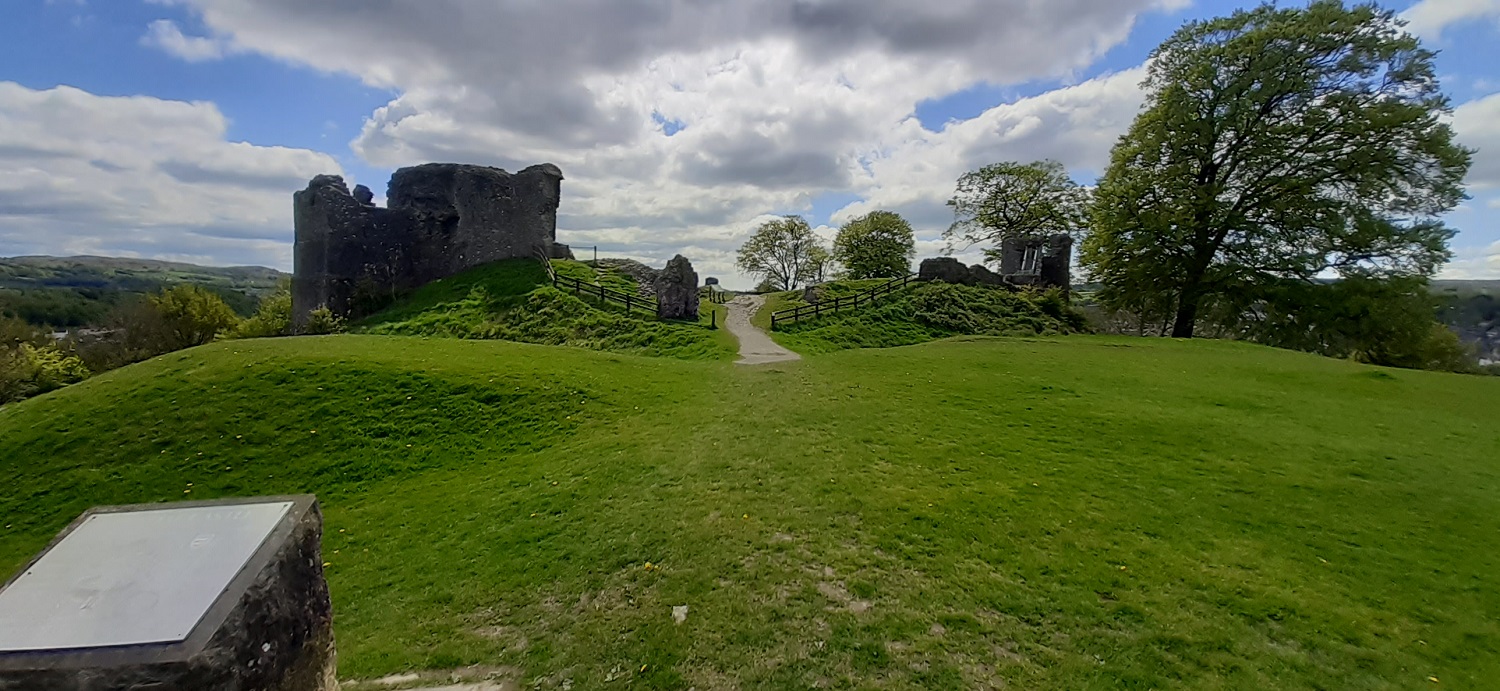
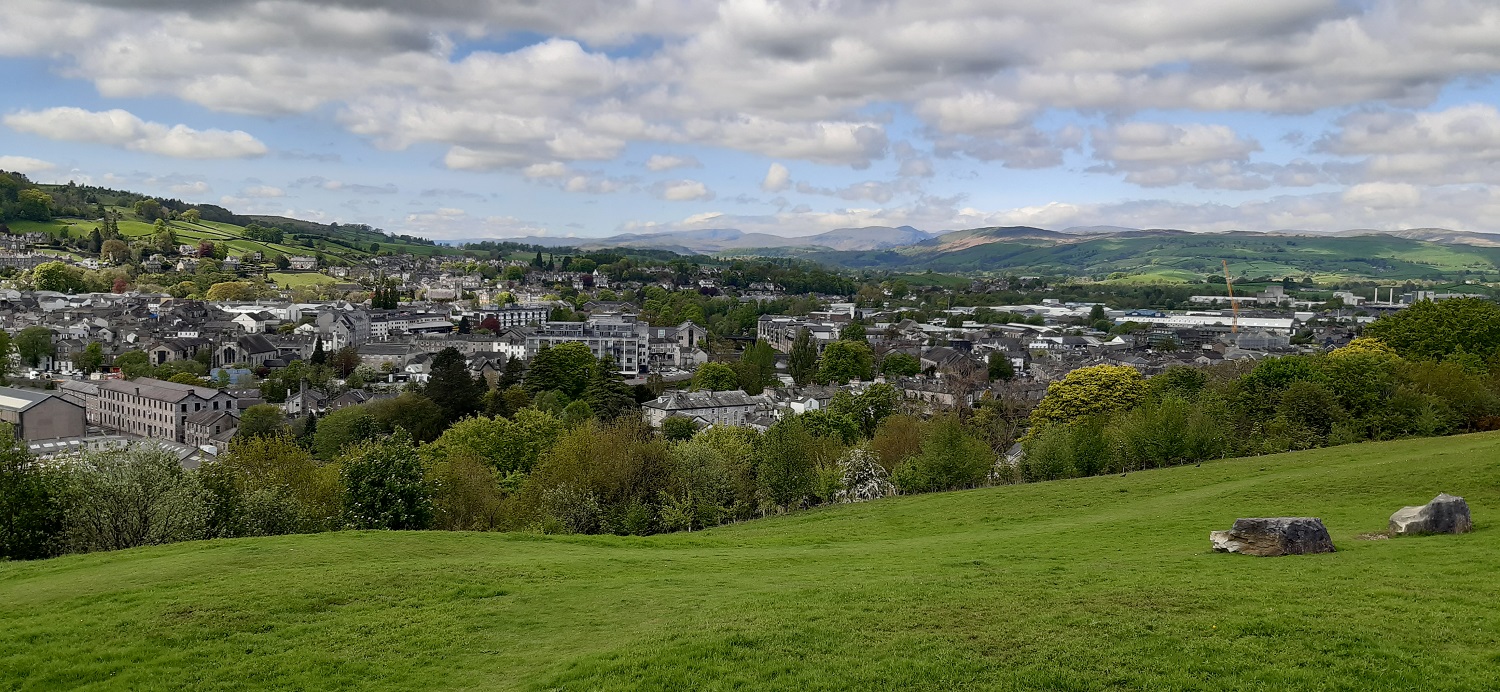
Between two walks up Scafell and Pillar we had a day off, and headed up into Eskdale to have a look at the Hard Knott FortHard Knott pass, the steep bit of the road is up there, to get here there is one hairpin bend which is fairly simple to negotiate, you could also easily get up to Hard Knott fell or Harter Fell if needed from hereThere have been repairs to the walls in places, shown by the flat slate, everything below the slate is RomanDown into Eskdale from Hard Knott fortThis valley leads up to Lingcove Bridge, at the back would normally be the ScafellsParts of the fortOutside the main fort complex was the circular saunaDriving back from the fort towards Irton Hall we could see white smoke, this means only one thing in these partsLa’al Ratty, the Eskdale railway. We were lucky the see two trains, the first was heading towards Boot and the second, the green River Irt, was heading back to RavenglassOn our final day the weather was glorious and as it was edging towards the middle of May I thought it was about time I visited the Rannerdale Bluebells and being on the right side of the Lakes meant a short drive to have a look. First we passed Loweswater and stopped to take a photo of Mellbreak, the northern end of this fell provides a tough, steep route up.Gavel Fell left and Carling Knott on the right. We’d parked up and started to wander over to Rannerdale, Mellbreak up on the left, Crummock Water in front of us and Low Fell on the rightRannerdale Knotts as we near the bluebellsAnd here they are, as always it’s difficult to show them at their best on a photo, but they were pretty good with Whiteless Pike forming a pointy backdropI liked the contrast of the yellow gorse and bluebellsYou can see the extent of the flowers as you head through them and look backLooking backSelfie with the Rannerdale bluebellsGrasmoor at the back of the bluebells. I reckon we were about 5 days too early for them at their best, but I’d still say those at Holwell on Dartmoor are far superior to these. But at least now I can say I’ve seen them. And they are still lovelyAlong Buttermere now and the classic shot of the Buttermere Pines and Haystacks at the backAfter driving through the Lakes, we headed over to Kendal for a bimble in a record shop, a look at the castle and some foodThe castle was good, giving some lovely views over Kendal, it was built in the 1200s and its most famous resident was Katherine Parr, the wife of Henry VIIIKendal and views to the Far Eastern and Eastern Lake District fells. All that was left was a bit of food and then the long drive back to Plymouth after a fantastic week in the Lakes. Still two more walks to write about though and both pick off high fells around Wasdale Head.
Is the restaurant in Irton Hall worth it?
Great that you managed to see the bluebells in Rannerdale. We didn’t go this year instead we went to see the bluebells in the wood at the end of Wastwater.
Kendal is a lovely town, we liked the view from the castle.
To be honest we only saw people eating and didn’t eat ourselves. I only saw people eating burgers and one person had lamb shank which looked pretty good. The car park was busy on the weekend with people in there so it does seem popular
Irton Hall looks nice. So does Hardknott Fort but I suspect if I ever visit it will be on foot as I won’t drive over the pass. Don’t think either me or my ancient Mini would cope.
A bad day for the weather means we see other stuff, even on the arrival and leaving days we like to do something. As you say 400 miles is a decent distance so need to make the most of it
A timely reminder that there is more to the Lakes than mountains (and lakes!). I must visit Gosforth church now. Been staying at Nether Wasdale every year for about 10 years now and never been and it looks like a gem.
Holwell has the best bluebells I’ve ever seen as well!
Gosforth Church has so much in it, brilliant place to visit if there is a poor weather day. We did Holwell when we got back from the Lakes and they were superb this year, still need to write that one up, over a month behind now

















 treksandtors
Looks like a really interesting location. I love the Norse tombstones.
LikeLike
A lovely place.
LikeLiked by 1 person
Is the restaurant in Irton Hall worth it?
Great that you managed to see the bluebells in Rannerdale. We didn’t go this year instead we went to see the bluebells in the wood at the end of Wastwater.
Kendal is a lovely town, we liked the view from the castle.
LikeLiked by 1 person
To be honest we only saw people eating and didn’t eat ourselves. I only saw people eating burgers and one person had lamb shank which looked pretty good. The car park was busy on the weekend with people in there so it does seem popular
LikeLiked by 1 person
We will have to try then ☺️
LikeLiked by 1 person
Irton Hall looks nice. So does Hardknott Fort but I suspect if I ever visit it will be on foot as I won’t drive over the pass. Don’t think either me or my ancient Mini would cope.
LikeLiked by 1 person
If you come in from the Wasdale side you don’t need to go over the pass. You can also do Green Crag and Harter Fell from there if needed
LikeLike
Looks like a great trip. I haven’t seen the Rannerdale bluebells, or either of those churches; better put that right!
LikeLiked by 1 person
Irton Church is lovely, there seems to be a fair bit of saxon/vikings history in the area around Gosforth
LikeLiked by 1 person
You certainly manage to pack a lot in on your trips to the Lakes. Making the most given the long journey there and back. The drive would kill me!
LikeLiked by 1 person
A bad day for the weather means we see other stuff, even on the arrival and leaving days we like to do something. As you say 400 miles is a decent distance so need to make the most of it
LikeLiked by 1 person
A timely reminder that there is more to the Lakes than mountains (and lakes!). I must visit Gosforth church now. Been staying at Nether Wasdale every year for about 10 years now and never been and it looks like a gem.
Holwell has the best bluebells I’ve ever seen as well!
LikeLiked by 1 person
Gosforth Church has so much in it, brilliant place to visit if there is a poor weather day. We did Holwell when we got back from the Lakes and they were superb this year, still need to write that one up, over a month behind now
LikeLiked by 1 person